
UPVC windows are a popular choice for many homeowners. They offer several benefits, including energy efficiency and low maintenance. However, they also come with some drawbacks. Understanding these disadvantages is crucial before making a decision.
Common issues include limited color options and potential warping over time. Poor installation can lead to drafts and leaks, reducing energy efficiency. Additionally, UPVC is not biodegradable, raising environmental concerns.
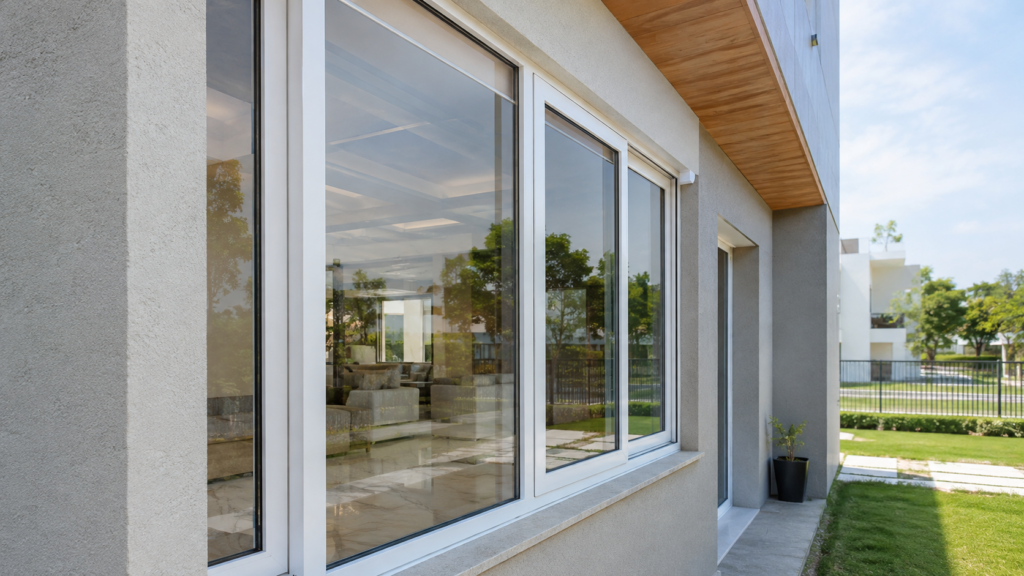
Despite these drawbacks, many of these issues can be mitigated. Proper installation and regular maintenance play a key role. Choosing high-quality materials can also help reduce problems like warping and discoloration.
In this article, we will explore the disadvantages of UPVC windows. We will also provide tips on how to avoid these issues during installation.
Understanding UPVC Windows: An Overview
UPVC, or unplasticized polyvinyl chloride, is a popular material for window frames. It is known for its durability and resistance to various environmental factors. Many homeowners prefer UPVC windows due to their affordability and low maintenance needs.
One of the most appreciated features of UPVC windows is their insulating properties. They help keep homes warm during winters and cool in summers. Additionally, UPVC material is resistant to moisture, making it a favorable choice in damp climates.
Here’s a quick rundown of UPVC window properties:
● Energy-efficient
● Low maintenance
● Affordable
● Moisture-resistant
Despite these advantages, it is crucial to be aware of potential issues associated with UPVC windows. Understanding both the positive and negative aspects helps in making an informed decision regarding their installation.
Common Disadvantages of UPVC Windows
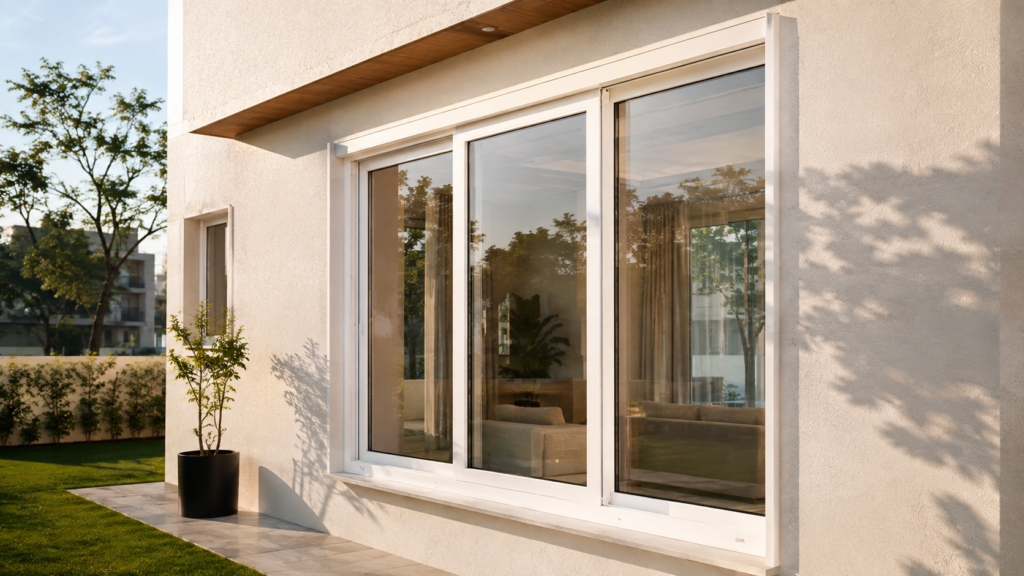
UPVC windows, while popular, have a few drawbacks. Aesthetic appeal can be a concern for some homeowners. UPVC windows often have a limited color range, and options like wood grain finishes are typically more expensive.
Another notable disadvantage is their potential to warp or discolor. This can happen when exposed to extreme temperatures over time. Proper selection of quality materials may help, but this remains a concern.
Security can be affected by the material’s strength. UPVC windows may not be as robust as those made from aluminum or wood. This can pose security issues, especially in areas prone to break-ins.
Repair challenges also exist with UPVC windows. If damaged, they often require a full replacement rather than a simple fix. This can increase long-term costs and inconvenience.
Environmental concerns are also raised due to UPVC not being biodegradable. Although recyclable, the process may not always offset environmental impacts. It’s crucial to weigh this when considering UPVC for your home.
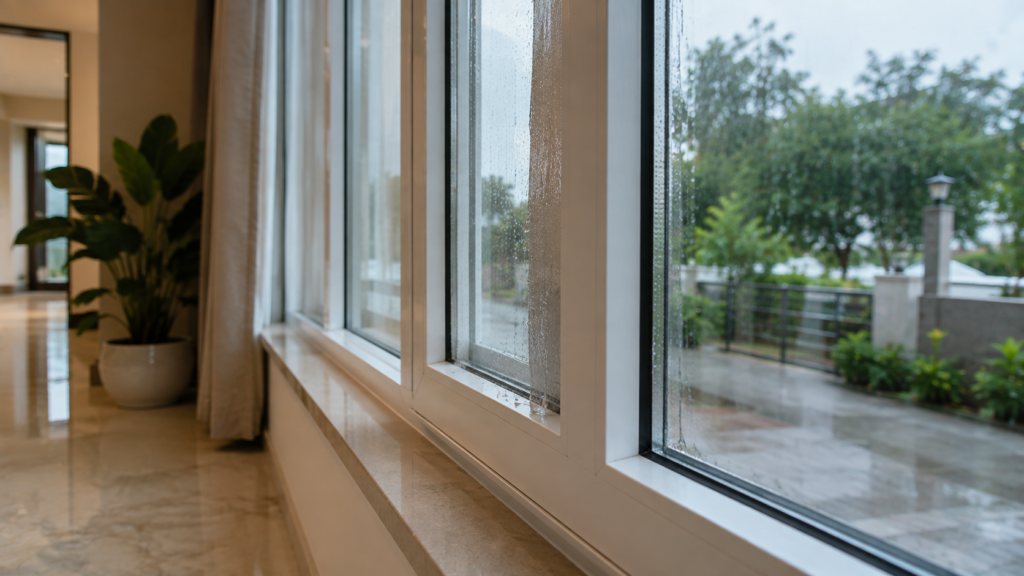
Another issue is condensation, which can foster mold and mildew growth. Regular maintenance and proper installation can mitigate this problem. Condensation can lead to further damage if not addressed quickly.
Moreover, UPVC windows might not suit all architectural styles. Their design limitations could restrict creative expression in some homes. Carefully consider whether UPVC aligns with your design goals.
UPVC Windows Advantages and Disadvantages: A Balanced View
UPVC windows offer both benefits and drawbacks. On the one hand, they are known for energy efficiency and cost-effectiveness. Homeowners appreciate their insulating properties, which help reduce energy bills. They also require minimal maintenance, making them a practical choice for many.
On the other hand, some issues must be considered. As mentioned earlier, aesthetic and durability concerns might deter some. Their limited design options can be restrictive, and environmental impact remains a valid concern.
To weigh both sides, consider the following:
● Advantages: Energy efficient, low maintenance, and affordable.
● Disadvantages: Limited aesthetic appeal, potential durability issues, and environmental concerns.
By evaluating these factors, you can decide whether UPVC windows suit your needs. Consider both the positive aspects and the challenges they present. This balanced view can guide your decision-making process, ensuring a choice that aligns with your home’s requirements.
How to Avoid UPVC Disadvantages During Installation
Proper installation plays a vital role in maximizing the benefits of UPVC windows. Ensuring a professional fit can prevent many common issues. A well-installed window minimizes the risk of drafts and leaks, enhancing comfort and energy efficiency.
To start, choose high-quality UPVC materials. High-grade materials are less prone to warping and discoloration. These materials can withstand extreme temperatures and offer better longevity, ensuring your windows remain in peak condition.
Selecting experienced installers is crucial. Professionals have the expertise needed to avoid mistakes that can lead to problems. They can guarantee a secure fit, preventing potential security concerns associated with UPVC windows.
Here are steps to consider for an optimal installation:
● Hire Certified Installers: Ensure they have solid experience and good reviews.
● Select Quality Materials: Opt for reputable suppliers with proven products.
● Check Seals and Fit: Ensure windows are airtight and properly sealed.
Maintenance Tips to Minimize UPVC Window Issues
Regular maintenance is key to keeping UPVC windows in top shape. Simple care routines can dramatically extend their lifespan. Proper maintenance also helps prevent issues like discoloration and condensation.
Start with regular cleaning. Use mild soap and water to clean frames and glass. Avoid abrasive chemicals that can damage the finish. This simple task keeps windows looking fresh and functions smoothly.
It’s also wise to inspect seals and hardware periodically. Check seals for any signs of wear or damage that could lead to drafts. Lubricate movable parts to ensure seamless operation.
Here’s a quick maintenance checklist:
● Clean monthly: Use gentle cleaning agents.
● Inspect seals and hardware: Look for cracks or damage.
● Lubricate moving parts: Ensure smooth functionality.
Routine upkeep can reduce potential issues and ensure your windows last for years. By adhering to these maintenance tips, you protect your investment and enjoy all the benefits UPVC windows offer. Consistent care makes a noticeable difference.
Conclusion: Making the Right Choice for Your Home
When considering UPVC windows, understanding both their advantages and disadvantages is essential. Each home has unique needs, and it’s crucial to weigh these factors carefully.
By ensuring quality installation and regular maintenance, many potential downsides can be mitigated. Choose wisely by considering your specific climate, aesthetic preferences, and budget. This informed approach will help you decide if UPVC windows are the right fit for enhancing your home’s comfort and style.